
Nothing ruins your morning routine quite like water backing up in your sink. If you’re asking “why is my sink backing up,” you’re not alone. Thousands of San Diego County homeowners deal with this frustrating problem every year.
Sink backups happen when water can’t flow freely through your drain pipes. Instead of going down, dirty water comes back up into your sink basin. This creates a messy, unsanitary situation that needs quick attention.
The good news? Most sink backups have simple causes that you can understand and sometimes fix yourself. In this guide, we’ll explore the seven most common reasons why your sink is backing up and show you exactly what to do about each one.
Understanding Why Your Sink Is Backing Up
When you’re wondering why is my sink backing up, it helps to understand how your plumbing works. Your sink connects to a series of pipes that carry water away from your home. When something blocks this flow, water has nowhere to go except back up through your drain.
According to the EPA’s septic system care guidelines, proper drain maintenance prevents most backup problems. The key is knowing what causes blockages in the first place.
Think of your drain like a highway. When traffic flows smoothly, everyone gets where they need to go. But when there’s an accident or construction, cars back up. The same thing happens in your pipes when grease, food, or other materials create a “traffic jam.”
7 Main Reasons Why Is My Sink Backing Up
1. Grease and Oil Buildup
The number one reason sinks back up is grease and cooking oil going down the drain. When you wash greasy pans or pour oil down the sink, it seems like it disappears. But grease doesn’t stay liquid once it cools down.
As grease travels through your pipes, it sticks to the walls and hardens. Over time, this creates a thick coating that catches other debris like food particles and soap scum. Eventually, the pipe becomes so narrow that water can’t flow through.
Consumer Reports warns that oils and fats solidify and can completely choke drains. They recommend collecting grease in a jar, letting it cool, then throwing it in the trash instead of washing it down the drain.
The solution is simple: never pour grease, oil, or fat down your sink. Wipe greasy pans with paper towels before washing them. This one change prevents most kitchen sink backups.
2. Food Particles and Debris
Even small food scraps can cause big problems when they accumulate in your pipes. Coffee grounds, rice, pasta, and vegetable peels don’t break down easily in water. Instead, they clump together and create blockages.
Your garbage disposal isn’t designed to handle every type of food waste. Fibrous vegetables like celery, starchy foods like potato peels, and hard items like bones can jam the disposal or create clogs further down the line.
To prevent food-related backups, use a sink strainer to catch debris before it goes down the drain. Scrape plates into the trash before washing them. If you have a garbage disposal, run plenty of cold water while using it and for 15 seconds afterward.
3. Hair and Soap Scum Combination
In bathroom sinks, hair combines with soap scum to create stubborn clogs. Hair wraps around soap residue, creating a net that catches more debris. This problem gets worse over time as the clog grows bigger.
Consumer Reports research shows that bathroom drains rank among the germiest places in homes. Regular cleaning prevents both hygiene issues and backup problems.
Prevention is key for hair clogs. Use a drain cover to catch hair before it goes down the drain. Clean the cover regularly and remove any accumulated hair. For existing clogs, a drain snake can often pull out hair blockages.
4. Main Sewer Line Problems
Sometimes the problem isn’t in your sink’s individual drain line. Main sewer line issues can cause multiple drains throughout your house to back up simultaneously. This is a more serious problem that requires professional attention.
The American Society of Civil Engineers reports that the nation’s 500,000-plus miles of sewer lines average over thirty years old. Aging infrastructure leads to more frequent backups and system failures.
Signs of main sewer line problems include multiple drains backing up at once, sewage odors throughout the house, and water backing up in floor drains. If you notice these symptoms, contact professional plumbing services immediately.
5. Tree Root Intrusion
Tree roots naturally seek water and nutrients, making your sewer pipes an attractive target. Even small cracks in pipes can allow roots to penetrate and grow inside the line. As roots expand, they create major blockages.
This problem is especially common in older homes with clay or cast-iron pipes. Modern plastic pipes resist root intrusion better, but determined roots can still find their way into any damaged section.
Root problems require professional diagnosis and treatment. Sewer line camera inspection can identify root intrusion and show exactly where the problem is located. Treatment might involve root cutting, pipe relining, or pipe replacement.
6. Venting System Issues
Your plumbing system needs proper ventilation to work correctly. Vent pipes allow air to enter the system, which helps water flow smoothly through the drains. When vents get blocked, it creates a vacuum effect that can cause backups.
Vent blockages often happen on the roof, where leaves, bird nests, or debris can clog the opening. You might notice gurgling sounds from multiple drains or slow drainage throughout the house when vents are blocked.
Vent problems require professional evaluation since they involve roof access and specialized knowledge. Don’t attempt to clear roof vents yourself – it’s dangerous and you might cause more damage.
7. Pipe Damage and Deterioration
Over time, pipes can crack, collapse, or develop holes that disrupt water flow. Ground shifting, temperature changes, and normal wear and tear all contribute to pipe damage. Older homes are especially susceptible to these problems.
Damaged pipes don’t just cause backups – they can also leak, leading to water damage and mold growth. Signs of pipe damage include water stains, unexplained wet spots, and persistent sewer odors.
Modern sewer repair methods can fix many pipe problems without extensive digging. Trenchless repair techniques save time and money while providing long-lasting solutions.
When to Call a Professional Plumber
While some minor sink backups respond to DIY solutions, certain situations require professional help. Don’t wait to call a plumber if you experience any of these warning signs:
Multiple drains backing up at the same time suggests a main line problem. This isn’t something you can fix with a plunger or drain cleaner. The longer you wait, the worse the problem becomes.
Sewage backing up into your sink creates a serious health hazard. Raw sewage contains dangerous bacteria and viruses that can cause illness. Emergency plumbing services can address these situations safely and quickly.
Foul odors that persist even after cleaning indicate a deeper problem in your sewer system. These smells can make your home uncomfortable and may signal dangerous sewer gas buildup.
If you’ve tried basic solutions like plunging or using drain cleaner without success, it’s time for professional help. Continuing to use harsh chemicals or aggressive methods might damage your pipes.
Prevention Tips to Stop Future Backups
The best way to avoid asking “why is my sink backing up” is to prevent problems before they start. Simple daily habits can save you from expensive repairs and messy cleanups.
Never pour grease, oil, or fat down any drain in your home. Let cooking grease cool and solidify, then scrape it into the trash. This single change prevents the majority of kitchen sink backups.
Use sink strainers to catch food particles, hair, and other debris before they enter your drains. Clean the strainers regularly to maintain good water flow.
Run hot water after each use to help flush away soap scum and small particles. For garbage disposals, always use cold water during grinding and hot water afterward to clear the lines.
Consumer Reports recommends regular maintenance over reactive solutions. Monthly cleaning with baking soda and vinegar can help prevent buildup without harsh chemicals.
Consider enrolling in The Solid Care Plan for just $144 per year. Regular professional maintenance catches problems early, before they become expensive emergencies.
DIY Solutions That Actually Work
For minor sink backups, several safe DIY methods can restore proper drainage. Always try gentle methods first before moving to stronger solutions.
Start with a plunger designed for sinks. Make sure you have enough water in the sink to cover the plunger cup, then work it vigorously up and down. This creates pressure that can dislodge simple clogs.
The baking soda and vinegar method works well for minor organic clogs. Pour one cup of baking soda down the drain, followed by one cup of white vinegar. Cover the drain with a plug or cloth for 30 minutes, then flush with hot water.
A drain snake can physically remove hair and debris clogs. Insert the snake into the drain and turn the handle while pushing forward. When you feel resistance, work the snake back and forth to break up the clog.
We tested popular drain cleaning methods in real Southern California homes and found that mechanical methods work better than most chemical cleaners for stubborn clogs.
What Not to Do When Your Sink Backs Up
Certain “solutions” can make sink backup problems worse or create new issues. Avoid these common mistakes that frustrated homeowners often make.
Don’t use multiple drain cleaners at the same time. Mixing different chemicals can create dangerous reactions and toxic fumes. If one product doesn’t work, try a mechanical method instead of adding more chemicals.
Avoid using boiling water on PVC pipes, which can soften and deform under extreme heat. Hot tap water is safe, but boiling water from the stove can damage plastic plumbing components.
Never ignore recurring backups. If your sink backs up repeatedly, there’s an underlying problem that needs professional attention. Temporary fixes won’t solve permanent problems.
Don’t attempt to disassemble complex plumbing without proper knowledge. What seems like a simple repair can quickly become an expensive disaster if done incorrectly.
The Health Risks of Sink Backups
Backed-up sinks aren’t just inconvenient – they can pose serious health risks to your family. Understanding these dangers helps you take the situation seriously and act quickly.
Stagnant water in sinks becomes a breeding ground for harmful bacteria. NSF International studies show that kitchen sinks can harbor dangerous bacteria like E. coli, salmonella, and listeria.
When sink water backs up, it can contaminate clean dishes, countertops, and food preparation areas. This cross-contamination spreads germs throughout your kitchen, increasing the risk of foodborne illness.
Sewage backups create the most serious health hazards. Raw sewage contains viruses, bacteria, and parasites that cause severe illness. Never handle sewage backups yourself – call professional help immediately.
Understanding Your Home’s Plumbing System
Learning basic plumbing concepts helps you understand why sinks back up and how to prevent future problems. Your home’s drainage system is more complex than most people realize.
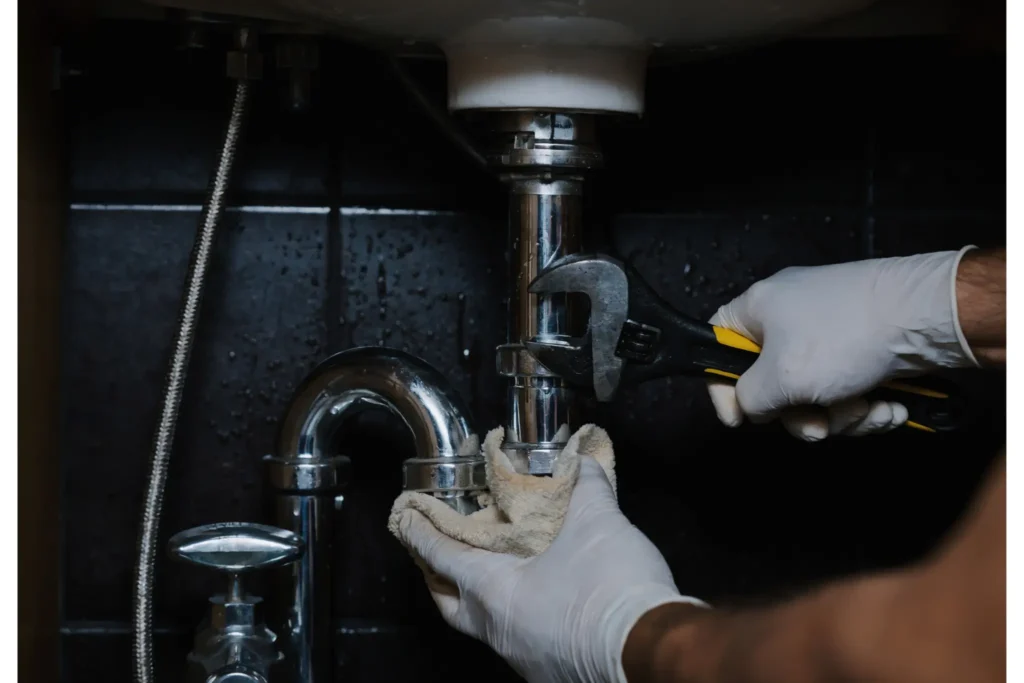
Every sink connects to a trap – the curved section of pipe under the drain. This trap holds water to prevent sewer gases from entering your home. When the trap gets clogged, water can’t flow properly and backs up into the sink.
From the trap, water flows into branch lines that connect to your home’s main sewer line. Problems anywhere in this system can cause backups at individual fixtures or throughout the house.
Vent pipes provide essential air flow that allows water to drain smoothly. Without proper venting, you get slow drains, gurgling sounds, and eventual backups. This is why plumbing problems sometimes seem mysterious – the cause might be far from where you notice symptoms.
Emergency Steps for Severe Backups
When faced with a serious sink backup, especially one involving sewage, quick action protects your health and limits property damage. Follow these emergency steps while waiting for professional help.
Stop using all water in your home immediately. This prevents adding more water to an already backed-up system. Turn off water to washing machines, dishwashers, and other automated appliances.
Keep family members and pets away from backed-up areas. Sewage contains dangerous pathogens that cause serious illness through contact or inhalation. Don’t let children play near affected areas.
Document the damage with photos for insurance purposes, but don’t try to clean up sewage yourself. Professional cleanup services have the equipment and expertise to handle hazardous waste safely.
Follow proper emergency protocols to protect your family and property while waiting for professional assistance.
Long-term Solutions and Upgrades
Some sink backup problems require long-term solutions beyond simple repairs. Understanding your options helps you make informed decisions about your plumbing system.
Older homes often benefit from pipe replacement or relining. Modern materials like PVC resist clogs better than old clay or cast-iron pipes. Pipe relining and repiping services can modernize your system without extensive excavation.
Installing backwater valves prevents sewage from backing up into your home during main line problems. These devices automatically close when water tries to flow backward, protecting your property from contamination.
Upgrading to larger diameter pipes improves drainage capacity and reduces backup risk. This is especially valuable in kitchens that handle heavy use or homes with growing families.
Regular professional maintenance prevents small problems from becoming major emergencies. Preventative maintenance costs far less than emergency repairs and provides peace of mind.
Get Professional Help for Persistent Backup Problems
If you’re still asking “why is my sink backing up” after trying these solutions, it’s time for professional diagnosis. Some problems require specialized equipment and expertise to resolve safely and permanently.
Solid Plumbing & Drains has helped thousands of San Diego County homeowners solve sink backup problems. Our experienced technicians can quickly identify the root cause and provide lasting solutions that prevent future backups.
We use advanced camera inspection technology to see exactly what’s happening inside your pipes. This eliminates guesswork and ensures we fix the real problem, not just the symptoms.
Don’t let sink backups disrupt your daily routine or threaten your family’s health. Contact us today for fast, reliable service that gets your plumbing back to normal. Our team is ready to help with everything from simple drain cleaning to complex sewer line repairs.