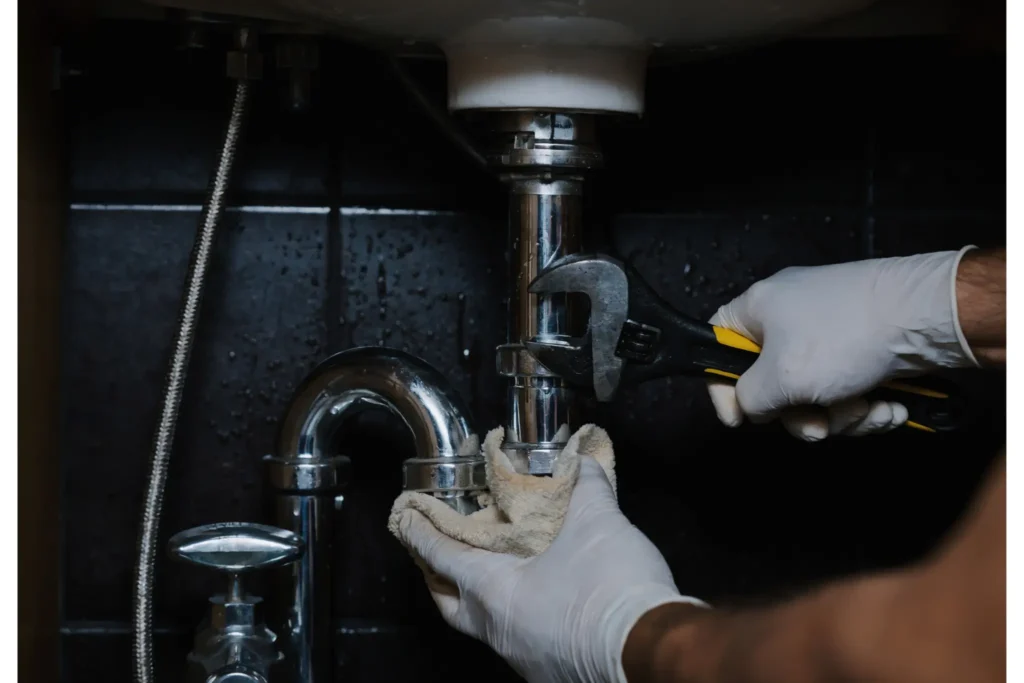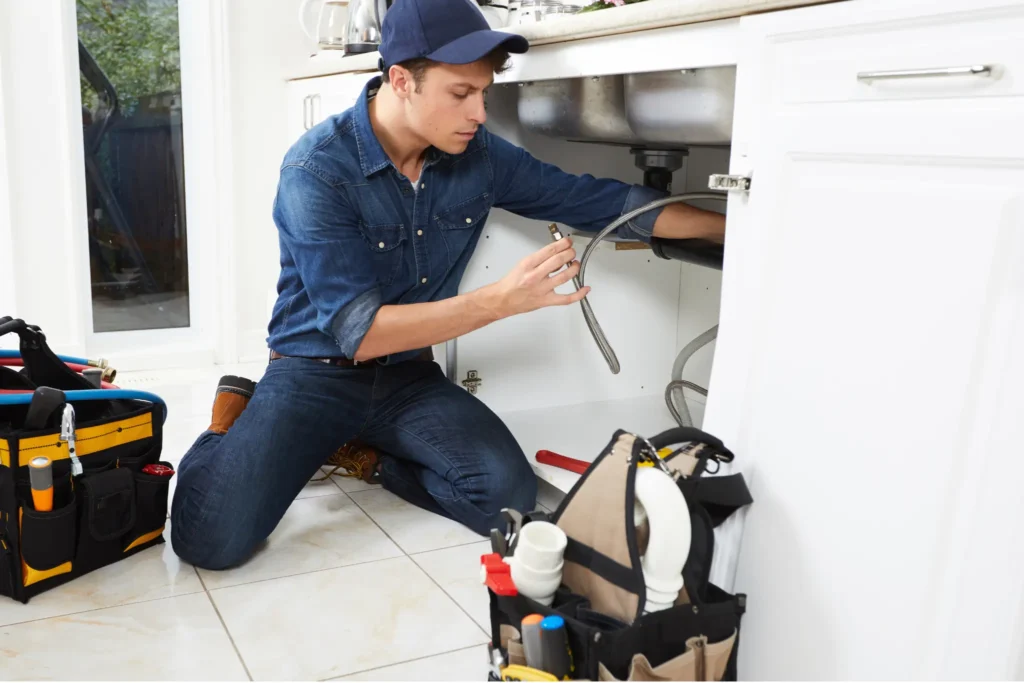

When your kitchen sink won’t drain and you hear that awful grinding sound, you need to know how to unclog a garbage disposal quickly and safely. A clogged garbage disposal can turn your kitchen into a mess. But before you panic or call for help, there are several simple methods that can fix most clogs yourself.
Learning how to unclog a garbage disposal is one of the most useful kitchen skills every homeowner should know. Most disposal clogs happen because of food buildup, grease, or items that shouldn’t go down the drain. The good news? Many clogs can be fixed in just a few minutes using basic household items.
What Causes Garbage Disposal Clogs?
Before learning how to unclog a garbage disposal, it helps to understand what causes these blockages. Most clogs happen when people put the wrong things down the disposal or don’t use enough water while grinding food.
The most common clog causes include grease and fat that hardens in the pipes, fibrous foods like celery and corn husks, starchy foods like pasta and rice, and coffee grounds that clump together. According to Consumer Reports, proper water flow before, during, and after grinding food helps prevent most clogs from forming.
Sometimes clogs happen in the disposal chamber itself. Other times, the blockage forms further down in the drain pipes. Understanding where your clog is located helps you choose the right method for how to unclog a garbage disposal effectively.
5 Safe DIY Methods: How to Unclog a Garbage Disposal
Here are five proven methods for how to unclog a garbage disposal safely. Always start with the simplest method first, then move to more advanced techniques if needed.
Method 1: Manual Removal and Reset
The first step in how to unclog a garbage disposal is always safety. Turn off the power at the wall switch and unplug the unit under the sink. Never put your hands inside a disposal that could turn on.
Use a flashlight to look inside the disposal. You might see visible food scraps, utensils, or other objects causing the clog. Use tongs or pliers to remove anything you can see. Never use your hands, even when the power is off.
After removing visible blockages, locate the reset button on the bottom of the disposal unit. Press this small red button firmly to reset the motor. Turn the power back on and test the disposal with cold water running.
Method 2: Ice and Salt Grinding
This method for how to unclog a garbage disposal works great for grease buildup and minor food clogs. The ice helps break up stuck food while the coarse salt acts like sandpaper to clean the grinding chamber.
Fill the disposal with about two cups of ice cubes and a half cup of coarse salt. Turn on the cold water and run the disposal for 30 seconds. The ice will break apart any stuck food, while the salt helps scrub the walls clean.
This technique mimics what professional plumbers do during drain cleaning services. The cold temperature helps solidify any grease, making it easier to break up and flush away.
Method 3: Baking Soda and Vinegar Treatment
When learning how to unclog a garbage disposal naturally, this method is both safe and effective. The chemical reaction between baking soda and vinegar helps dissolve organic clogs and neutralizes odors.
Start by pouring half a cup of baking soda down the disposal. Follow with one cup of white vinegar. Cover the drain with a stopper or wet cloth to contain the fizzing action. Wait 10-15 minutes for the mixture to work.
After waiting, remove the cover and flush with hot water for 30 seconds. This method works well for organic clogs but won’t help with hard objects or severe blockages. It’s also much safer than chemical drain cleaners, which can damage your disposal and pipes.
Method 4: Plunger Technique
A sink plunger can be very effective for how to unclog a garbage disposal when the blockage is in the drain pipes below the unit. Use a flat-bottomed sink plunger, not a toilet plunger.
Fill the sink with 3-4 inches of water to create a good seal around the plunger. Place the plunger over the drain opening and pump vigorously 15-20 times. The pressure can dislodge clogs that are stuck in the pipes.
Remove the plunger and test by running water. If water drains quickly, the clog is gone. This method works well for clogs that have moved past the disposal into the drainage pipes, similar to proven drain cleaning techniques that professionals use.
Method 5: Manual Crank Method
Some garbage disposals come with a special hex key for manual operation. This method for how to unclog a garbage disposal helps when the motor is jammed but not completely broken.
Look for a hex-shaped socket on the bottom of your disposal unit. Insert the provided hex key (usually 1/4 inch) and turn it back and forth to manually rotate the grinding mechanism. This can free stuck food or objects.
If you don’t have the hex key, you can use a wooden spoon handle or similar tool from the top. Insert it into the disposal and carefully push against one of the grinding lugs to rotate the mechanism manually. Always ensure the power is completely off before attempting this.
What NOT to Put Down Your Garbage Disposal
Knowing how to unclog a garbage disposal is important, but preventing clogs is even better. Many homeowners don’t realize that certain items should never go down a disposal, no matter how powerful the unit is.
Never put grease, fat, or cooking oil down the disposal. These substances solidify in cold pipes and create stubborn clogs. Instead, let grease cool and throw it in the trash. The EPA recommends proper disposal of cooking fats to prevent environmental and plumbing problems.
Fibrous vegetables like celery, corn husks, and onion skins can wrap around the grinding mechanism. Starchy foods like pasta, rice, and potato peels expand when wet and can create thick paste-like clogs. Coffee grounds might seem harmless, but they clump together and cause blockages over time.
Hard objects like bones, fruit pits, and shells can damage the grinding mechanism. Non-food items like utensils, rubber bands, and bottle caps should obviously never go down the disposal. For guidance on what can and cannot go in disposals, check out this helpful resource about using drain cleaners safely.
DIY vs Professional Help: Pros and Cons
Deciding whether to tackle how to unclog a garbage disposal yourself or call professionals depends on several factors. Here’s what you need to know about both approaches.
DIY Pros and Cons
The biggest advantage of learning how to unclog a garbage disposal yourself is cost savings. Most DIY methods use household items you already have, so there’s no expense except your time. You also get immediate results without waiting for a service appointment.
DIY methods work well for simple clogs caused by food buildup, grease, or minor blockages. The techniques described above can handle about 80% of common disposal problems. You’ll also learn valuable skills for future maintenance.
However, DIY approaches have limitations. If the clog is deep in the drain pipes, in the main sewer line, or caused by a damaged disposal, home methods won’t work. You might also waste time on ineffective solutions when professional help could solve the problem quickly.
According to professional plumbing standards set by the International Association of Plumbing and Mechanical Officials, certain types of clogs require specialized equipment and expertise to resolve safely.
When to Call Professional Help
Some situations require professional drain cleaning services rather than DIY attempts at how to unclog a garbage disposal. If you’ve tried all the safe methods above and the disposal still won’t drain, it’s time to call experts.
Call professionals immediately if you notice sewage backing up from other drains when you run the disposal. This indicates a main sewer line problem that needs immediate attention. Water backing up into your dishwasher or other sinks also signals a serious drainage issue.
Strange noises, burning smells, or electrical problems mean the disposal motor might be damaged. Continuing to run a damaged unit can cause more expensive problems. Professional clogged drain service can diagnose and fix these issues safely.
If your disposal is more than 10 years old and frequently clogs despite proper use, replacement might be more cost-effective than repeated repairs. Professionals can assess whether repair or replacement makes more financial sense.
Types of Clogs You Can Handle vs. Professional-Only Problems
Understanding different types of clogs helps you decide when to try DIY methods for how to unclog a garbage disposal versus when to call professionals immediately.
DIY-Friendly Clogs
Surface-level clogs in the disposal chamber respond well to home methods. These include food scraps stuck in the grinding mechanism, grease buildup on the walls, and small objects that you can see and remove safely.
Clogs caused by soap scum, coffee grounds, or food particles usually respond to the ice and salt method or baking soda treatments. Slow drainage that gets worse over time often indicates buildup that home cleaning can address.
If the disposal hums but doesn’t grind, it might just need a reset or manual rotation to free a jam. These are perfect situations for learning how to unclog a garbage disposal using the methods described above.
Professional-Only Problems
Deep pipe clogs beyond the disposal chamber require professional equipment like drain snakes or hydro-jetting. These tools can reach blockages that home methods can’t touch. Tree root intrusions, collapsed pipes, or main sewer line problems definitely need professional attention.
If multiple drains in your home are backing up simultaneously, the problem is in the main drainage system. This isn’t something you can fix by learning how to unclog a garbage disposal – it needs professional diagnosis and repair.
Electrical problems, motor issues, or disposal units that leak water require technical expertise. Attempting DIY repairs on these problems can be dangerous and might violate your home’s electrical codes. Professional plumbing repair services have the training and tools to handle these complex issues safely.
Prevention: Keeping Your Disposal Clog-Free
The best approach to how to unclog a garbage disposal is preventing clogs in the first place. Simple daily habits can keep your disposal running smoothly for years.
Always run cold water before, during, and for 15 seconds after using the disposal. Cold water helps solidify fats so they can be chopped up and flushed away, rather than coating the pipes. This single habit prevents most common clogs.
Clean your disposal weekly using the ice and salt method described above. This removes buildup before it becomes a clog. You can also grind citrus peels occasionally to freshen the scent and clean the mechanism naturally.
Never pour grease down the drain, even with the disposal running. Collect cooking fats in a container and dispose of them in the trash once cooled. Cut large food items into smaller pieces before putting them in the disposal.
Consider professional maintenance as part of your home care routine. Regular preventive maintenance can catch small problems before they become major clogs requiring emergency service.
Signs Your Disposal Needs Professional Attention
Even if you know how to unclog a garbage disposal, certain warning signs indicate it’s time to call professionals. Recognizing these early can prevent more expensive problems.
Frequent clogs despite proper use suggest underlying problems that DIY methods can’t fix. If you’re unclogging your disposal more than once a month, there might be damage to the grinding mechanism or problems with your home’s drainage system.
Unusual noises like grinding, squealing, or rattling indicate worn parts or damaged components. These sounds mean the disposal is working harder than it should, which can lead to motor failure if not addressed.
Persistent odors that don’t respond to cleaning suggest organic matter trapped where you can’t reach it. Professional cleaning can remove buildup in areas that home methods can’t access. Slow drainage that gradually gets worse often indicates serious drain problems that need professional diagnosis.
Water leaking under the sink, electrical problems, or disposal units that trip circuit breakers require immediate professional attention. These issues can be dangerous and should never be handled with DIY methods.
The Cost of Ignoring Garbage Disposal Problems
While learning how to unclog a garbage disposal can save money on small problems, ignoring serious issues can lead to expensive repairs. Understanding the potential costs helps you make smart decisions about when to call professionals.
Minor clogs that become major blockages can damage your disposal motor, requiring complete replacement. Disposal units typically last 8-10 years with proper maintenance, but neglected problems can cut that lifespan in half.
Clogs that back up into other drains can damage your dishwasher, washing machine connections, or other appliances. Water damage from overflowing sinks can cost thousands in repairs to cabinets, flooring, and drywall.
Attempting complex repairs without proper knowledge can make problems worse. DIY attempts that damage electrical connections or plumbing fittings often cost more to fix than the original problem would have cost to repair professionally.
Emergency Disposal Problems
Some garbage disposal problems require immediate professional help, regardless of your DIY skills. Knowing when to stop trying home methods for how to unclog a garbage disposal can prevent dangerous situations.
If water is backing up into multiple drains throughout your home, stop using all water immediately and call emergency plumbing services. This indicates a main sewer line blockage that can cause serious property damage if not addressed quickly.
Electrical problems like sparks, burning smells, or repeatedly tripped circuit breakers need immediate attention. Turn off power to the disposal and don’t attempt any DIY repairs. These situations can be dangerous without proper electrical knowledge.
Sewage odors coming from the disposal or surrounding drains indicate potential health hazards. Professional emergency plumbing service can identify and resolve these problems safely.
Smart Approaches to Garbage Disposal Care
Knowing how to unclog a garbage disposal safely can save you time and money on minor problems. The five methods outlined above can handle most common clogs using simple household items and basic tools.
However, understanding your limitations is just as important as knowing DIY techniques. Professional help prevents dangerous situations and expensive damage when problems go beyond simple clogs.
The best strategy combines prevention, smart DIY maintenance, and professional service when needed. Regular cleaning, proper use habits, and prompt attention to warning signs keep your disposal working efficiently for years.
When DIY methods for how to unclog a garbage disposal don’t work, or when you notice signs of serious problems, don’t hesitate to call experienced professionals. Quick professional intervention often costs less than letting problems worsen into major repairs.
For reliable garbage disposal repair and drain cleaning throughout San Diego County, contact Solid Plumbing & Drains at 619-853-3213. Our experienced technicians can handle everything from simple clogs to complete disposal replacement, ensuring your kitchen runs smoothly.