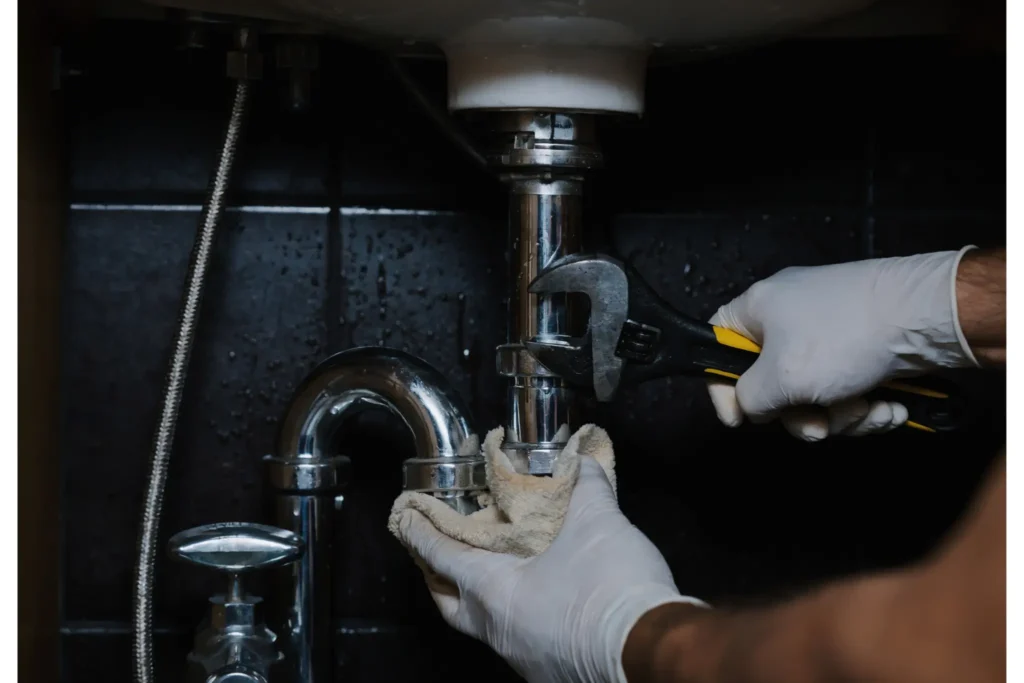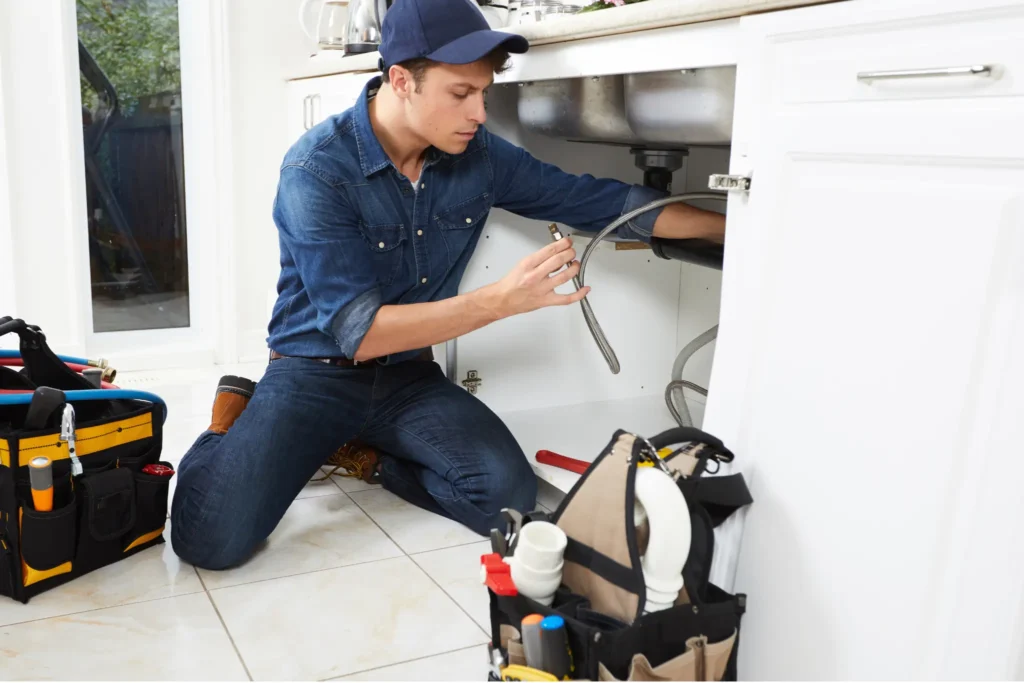

If your grease trap smells like sewage, you’re likely dealing with more than just an unpleasant odor. That rotten egg or sewer-like smell around your kitchen or prep area is often a sign of buildup, bacteria, or a developing plumbing issue.
In busy San Diego areas near Balboa Park or high-traffic zones around San Diego High School, this problem is especially common in both commercial kitchens and older residential plumbing systems.
That odor isn’t just inconvenient, it can affect air quality, drive away customers, and point to deeper issues like grease buildup in pipes or poor drainage. Understanding why your grease trap smells is the first step to fixing it quickly and preventing it from coming back.
Why Does My Grease Trap Smell Like Sewage?
If you’ve been asking, “why does my grease trap smell?” the answer usually comes down to trapped waste breaking down over time.
Grease traps are designed to intercept fats, oils, and grease (FOG) before they enter your plumbing system. When not maintained, these materials break down slowly and release gases like hydrogen sulfide, which creates that strong sewage odor.
This is a common cause of sewage smell from kitchen drains, especially in:
- Restaurants and commercial kitchens
- Cafeterias and catering environments
- Homes with under-sink grease traps or aging plumbing
If left untreated, these odors often point to larger commercial kitchen grease trap issues or developing blockages deeper in the system.
Upgrading fixtures and materials can also help reduce buildup over time—especially if you’re evaluating options like those covered in 7 Kitchen Sink Materials.
Who Is Affected by Grease Trap Odors?
Grease trap odors impact both businesses and homeowners.
For restaurants, the smell can quickly affect customer experience, lead to complaints, and even trigger health inspections. For homeowners, it can make daily kitchen use uncomfortable and signal hidden drainage issues.
In either case, unresolved odors can lead to:
- Poor indoor air quality
- Drainage inefficiency
- Increased maintenance costs
The Top Reasons Grease Traps Start to Smell
Understanding the root causes makes grease trap odor removal much easier and more effective.
Grease Buildup Over Time
FOG accumulates quickly in active kitchens. When not removed, it hardens, decomposes, and creates strong odors. Over time, this buildup can also clog pipes and restrict flow.
Dry Trap Seals
When P-traps dry out, they no longer block sewer gases, allowing odors to enter your kitchen.
Blocked Vent Lines
A blocked vent prevents gases from escaping, forcing odors back through drains.
Improper or Infrequent Cleaning
Skipping routine maintenance is one of the leading causes of grease trap odor issues.
Biofilm and Bacteria Growth
Bacteria form layers inside the trap and pipes, producing persistent sewage-like smells.
What Happens If You Ignore a Smelly Grease Trap?
A grease trap that smells like sewage is more than a nuisance, it’s a warning sign.
Ignoring it can lead to:
- Health code violations in commercial kitchens
- Loss of customers due to unpleasant odors
- Drain backups and slow drainage
- Pest infestations
- Long-term damage from grease buildup in pipes
Grease-related blockages are one of the leading causes of sewer issues, making early action critical.
How to Get Rid of the Sewage Smell from a Grease Trap
If you’re dealing with a strong odor, here’s how to clean grease trap smell effectively:
Clean the Trap Thoroughly
Remove grease and solids, then rinse with warm water and a degreaser to break down residue.
Use Enzyme-Based Cleaners
These help break down grease naturally and reduce odor-causing bacteria.
Flush Nearby Drains
Refill dry P-traps by pouring water into unused drains.
Schedule a Grease Trap Cleaning Service
If odors persist, a professional grease trap cleaning service is often the most effective solution. Proper cleaning removes deep buildup, restores flow, and helps prevent future odors.
How to Prevent Grease Trap Odors from Coming Back
Preventing odors is easier—and more cost-effective—than fixing them later.
Set a Regular Cleaning Schedule
- Commercial kitchens: every 1–2 weeks
- Residential/light use: every 1–3 months
Routine maintenance prevents buildup before it becomes a problem.
Avoid Pouring Grease Down the Drain
Keep the following out of your system:
- Cooking oils and fats
- Meat scraps
- Sauces and gravies
- Starchy foods
Even small amounts of grease can harden and clog pipes over time.
Keep Water Flowing
Regular water use helps maintain trap seals and prevents sewer gases from escaping.
Train Staff or Household Members
Proper habits reduce the risk of commercial kitchen grease trap issues and costly repairs.
When to Call a Plumber (And What to Expect)
If cleaning doesn’t resolve the issue, it’s time to consider when to call a plumber for grease trap problems.
You may need professional help if:
- Odors return quickly after cleaning
- Drains are slow or backing up
- The grease trap hasn’t been serviced in a long time
- You suspect deeper pipe or vent issues
Professional service can include full cleaning, system inspection, and advanced drain or sewer work when necessary. Services like sewer services can address deeper issues affecting your entire plumbing system.
Don’t Let a Bad Smell Turn Into a Bigger Problem
A grease trap smells like sewage issue is often a sign of a larger plumbing problem developing behind the scenes.
By understanding the cause, maintaining your system, and taking action early, you can prevent serious damage, protect your kitchen environment, and avoid expensive repairs.
Need Help With a Grease Trap That Smells Like Sewage?
If you’re dealing with persistent odors or recurring drainage issues, professional help can restore your system quickly and safely.
Scheduling a proper grease trap cleaning ensures buildup is fully removed and your system stays compliant and efficient. You can also explore related upgrades, like choosing the right kitchen materials, to help reduce long-term wear and buildup risks.
How to Get Rid of the Sewage Smell from a Grease Trap
If your grease trap already smells like sewage, here’s what you can do:
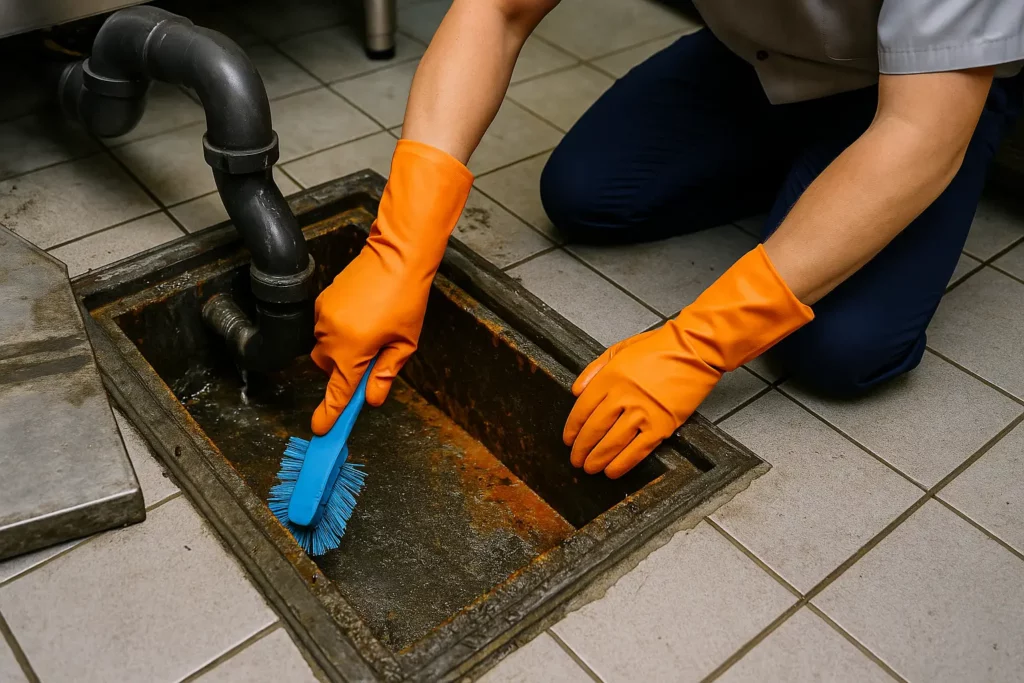
Clean the Trap Thoroughly
Remove the lid and scoop out any solids, followed by flushing the trap with warm water. Use a degreaser to scrub the interior walls. (Make sure to wear gloves and a mask; it won’t smell good.)
Use Enzyme-Based Cleaners
These products use “good” bacteria to break down fats and eliminate odors. They’re safer than chemical drain cleaners and can help reduce buildup over time.
Flush Nearby Drains
Pour a bucket of water into nearby floor drains to refill dry P-traps. This creates a barrier to block sewer gas from coming back into the room.
Call a Professional for Deep Cleaning
If the smell doesn’t go away or if the trap hasn’t been cleaned in a while, call Solid Plumbing & Drains, Inc. We use specialized vacuum equipment and non-toxic cleaning agents to fully pump out and flush the trap, not just rinse it.
How to Prevent Grease Trap Odors from Coming Back
Smells always come back if the trap isn’t cleaned and maintained. Here’s how to prevent that:
Set a Regular Cleaning Schedule
- For busy kitchens: clean every 1–2 weeks
- For homes or light commercial: every 1–3 months
Our team can help set up a service plan based on your usage.
Don’t Pour These Down the Drain
Avoid dumping:
- Cooking oil
- Meat scraps
- Sauces and gravies
- Starchy foods like rice and pasta
These all speed up grease buildup.
Keep Water Flowing Through Drains
Pour water into unused drains weekly to keep trap seals from drying out. Add a dash of vinegar or baking soda to help control bacteria.
Train Your Staff (Or Household)
A quick 5-minute training on what can and can’t go down the drain can save hundreds of dollars in emergency plumbing calls.
When to Call a Plumber (And What We Do to Help)
If you’ve cleaned your grease trap and it still smells like sewage, it’s time to bring in a licensed plumber. At Solid Plumbing & Drains, Inc., we offer fast, professional grease trap service in both homes and commercial settings.
Our Service Includes:
- Full pump-out of your trap
- Inspection for vent clogs or pipe issues
- Odor-neutralizing rinse
- Optional enzyme dosing
- Follow-up scheduling to prevent future smells
Transparent Pricing
We offer clear pricing with no hidden fees. Whether you need a one-time cleaning or want to set up a recurring service, we’ll build a plan that fits your kitchen’s needs and budget.
Don’t Let a Bad Smell Turn Into a Big Problem
A smelly grease trap might seem like a small annoyance, but it can quickly grow into a health issue, a customer complaint, or even a serious plumbing emergency.
By understanding what causes the smell, staying on top of cleaning, and calling for help when needed, you can keep your kitchen running safely and odor-free.
Need Help With a Grease Trap That Smells Like Sewage?
Solid Plumbing & Drains, Inc. is here to help, fast. Whether your kitchen is in a restaurant, food truck, or your own home, we know how to get rid of the smell, clean your trap the right way, and keep your pipes clear.