
A sewer smell in house is more than an unpleasant problem. That rotten-egg odor can be a warning that part of your plumbing system is dry, clogged, loose, cracked, or damaged. Sometimes the fix is as simple as adding water to an unused drain. Other times, the smell points to a sewer-line problem that needs fast professional attention.
The hardest part is finding where the odor begins. Sewer gas can enter through a sink, shower, toilet, floor drain, laundry connection, or damaged pipe. It may also travel through walls and floors before you notice it. This guide explains seven common causes, safe checks you can perform, and signs that it is time to call a plumber.
What Causes a Sewer Smell in House?
A sewer smell in house usually means that the barrier between your living space and the drainage system is not working correctly. Every plumbing fixture should have a trap, seal, or vent that keeps sewer gases on the correct side of the system.
Sewer gas is not one single gas. It can contain several gases created as waste breaks down. One of them is hydrogen sulfide, which has a strong rotten-egg smell. The Agency for Toxic Substances and Disease Registry’s hydrogen sulfide guide explains that people can smell this gas at very low levels. It can cause irritation and other health effects when exposure is stronger or lasts longer.
Do not assume every bad odor is sewer gas. A natural gas leak can also smell like sulfur or rotten eggs because utility companies add an odor to the gas. If the smell is strong, sudden, or close to a gas appliance, leave the building without using switches, flames, or phones inside. Call your gas utility or 911 from a safe location.
1. A Dry P-Trap Can Cause a Sewer Smell in House
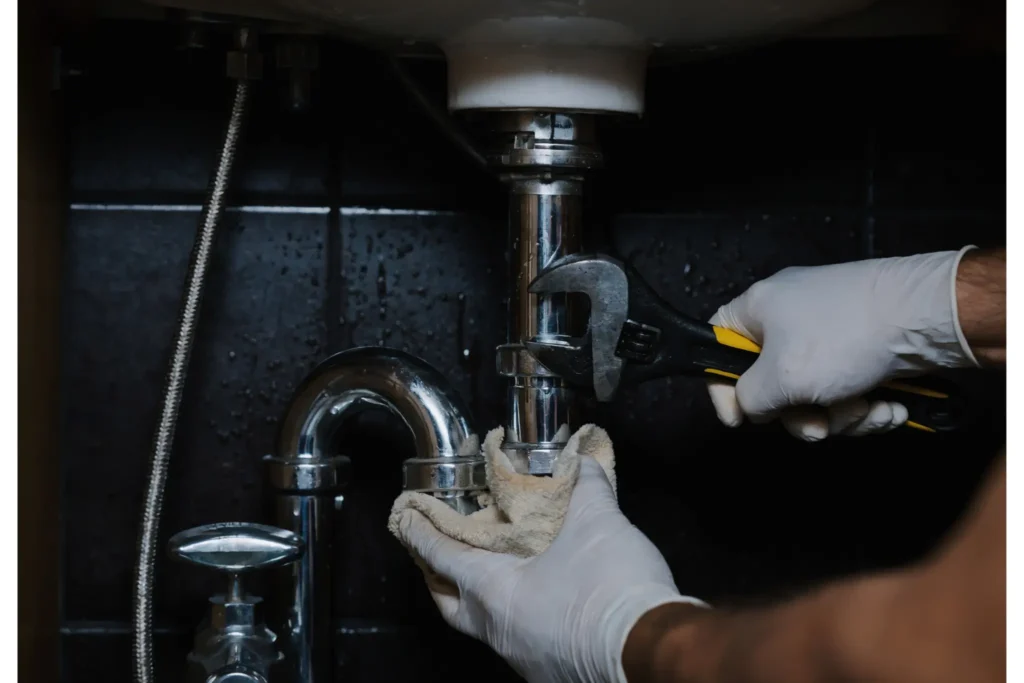
The P-trap is the curved piece of pipe beneath a sink. Showers, tubs, and floor drains have traps too, though they may be hidden below the floor. The trap holds a small amount of water. That water forms a simple seal that blocks sewer gas from moving into the room.
If a drain is not used for weeks or months, the water can evaporate. Sewer gas then has a clear path into the home. This often happens in guest bathrooms, utility rooms, garages, unused sinks, and floor drains near water heaters.
To test this cause, slowly pour water into the suspected drain. Use enough to refill the trap, but do not flood the fixture. Wait and see whether the sewer smell in house fades. For a rarely used drain, adding water on a regular schedule may keep the trap from drying out again.
Here is an expert tip: write down which fixtures are rarely used. Check them first whenever an odor appears after a vacation, a dry season, or a long period without guests. This quick habit can save time because it starts with the most likely and easiest cause.
2. A Dirty Drain May Smell Like Sewer Gas
Sometimes a sewer smell in house is actually coming from material stuck inside a drain. Hair, soap, toothpaste, food, grease, and other waste can coat the inside of a pipe. Bacteria feed on that buildup and create an odor that smells a lot like sewage.
Pay attention to how the drain behaves. If the odor is strongest close to the opening and the water drains slowly, buildup or a clog may be the problem. You may also hear bubbling or gurgling as water tries to move around the blockage.
You can remove visible hair or debris from an easy-to-reach drain. Avoid mixing drain cleaners, bleach, vinegar, or other chemicals. These combinations can create dangerous fumes. Strong chemical products may also harm certain pipes and make a plumber’s work more dangerous.
If the drain stays slow or the odor returns, professional drain cleaning in San Diego can remove buildup deeper inside the line. Clearing the real blockage is more useful than covering the smell with air freshener.
3. A Loose Toilet Seal Can Create a Sewer Smell in House
A toilet connects to the drain through a seal at its base. This seal is often called a wax ring, even though some modern versions use different materials. Its job is to stop wastewater and sewer gas from escaping around the toilet connection.
A worn, damaged, or poorly installed seal can create a sewer smell in house. The odor may become stronger after someone flushes. You might also notice water around the base, a soft floor, stained flooring, or a toilet that rocks when touched.
Do not keep using a loose or leaking toilet. Water may be entering the floor even when you cannot see a puddle. Hidden moisture can damage wood and create conditions where mold grows. A plumber can remove the toilet, inspect the connection, replace the seal, and make sure the toilet is firmly attached.
One lesson experienced plumbers learn is that the smell is not always directly above the failed seal. Air movement can carry the odor into a nearby hallway or room. Checking for movement at the toilet base can provide a better clue than following the smell alone.
4. Plumbing Vent Trouble Can Trap Sewer Smell in House
Plumbing vents are pipes that usually rise through the roof. They let sewer gases leave the system outdoors. They also bring air into the drainpipes so wastewater can flow without pulling water out of fixture traps.
A blocked, damaged, or poorly placed vent may send sewer odors back inside. Leaves, nests, construction debris, or pipe damage can interfere with airflow. Wind and changes in air pressure may also push odor near windows or roof openings.
Possible clues include gurgling toilets, slow drains, changing toilet-bowl water levels, and a sewer smell in house that appears when other fixtures are used. For example, a toilet might bubble when the washing machine drains.
Roof work can be dangerous, so homeowners should not climb onto a roof to inspect a vent without the right training and safety equipment. A licensed plumber can check the vent system, test airflow, and determine whether the trouble is a blockage or a design problem.
5. A Damaged Sewer Pipe May Release Odors
A cracked, separated, or corroded drainpipe can release sewer gas before waste reaches the public sewer. If the broken section is behind a wall, beneath a floor, or under the yard, the source may be difficult to see.
Warning signs can include a sewer smell in house that never fully disappears, damp areas, pest activity, repeated clogs, unusually green grass, or a soft spot in the yard. Older pipes may also be affected by shifting soil, corrosion, or tree roots.
A plumber does not always need to dig immediately. A sewer camera inspection can show the inside of the line. The camera may reveal cracks, roots, heavy buildup, separated joints, or a low section where waste collects.
This is an important diagnostic step. A bad odor does not prove that the entire sewer line needs replacement. Finding the exact defect helps the plumber recommend a targeted cleaning or repair instead of guessing.
6. A Partial Main-Line Blockage Can Cause a Sewer Smell in House
A single slow sink often points to a nearby clog. Several slow or bubbling fixtures can point to a larger blockage in the main drain or sewer line. Waste may be moving through the pipe, but not fast enough to leave the property normally.
As wastewater sits behind the blockage, it can produce a stronger odor. Pressure changes may also disturb water inside the traps. That is why a sewer smell in house may appear at more than one drain even when the blockage is located farther away.
Watch for a pattern. Does the shower gurgle when a toilet flushes? Does water rise in a tub when the washing machine drains? Are fixtures on the lowest floor affected first? These details can help a plumber locate the problem faster.
Stop using water if sewage starts backing up. A main-line problem can quickly turn into an unhealthy overflow. Solid Plumbing & Drains provides complete professional sewer services for blockages, damaged lines, poor drainage, and recurring sewer odors.
7. An Appliance or Hidden Connection May Be the Source
Not every sewer smell in house begins at a visible sink or toilet. Washing machines, dishwashers, garbage disposals, condensate drains, and water-heater drain pans may connect to the drainage system. A loose hose, dirty standpipe, missing trap, or incorrect connection can let odor escape.
The washing machine area is a common example. If the smell becomes stronger during or after a wash cycle, the drain hose may be pushed too far into the standpipe, the trap may be dry, or buildup may be sitting inside the drain.
A bathroom remodel can create another hidden problem. A removed fixture may leave an open or poorly capped drain inside a wall or floor. The room may look finished while sewer gas moves through the unused pipe.
Think about when the sewer smell in house started. Recent construction, a new appliance, a toilet replacement, or months without using a fixture can provide an important clue. Timing often helps narrow the search faster than odor alone.
Is a Sewer Smell in House Dangerous?
A mild odor from a dry trap is often corrected once the trap is refilled. However, a strong or lasting sewer smell in house should not be ignored. Sewer gas can contain hydrogen sulfide, methane, ammonia, and other compounds.
Low-level exposure may cause eye, nose, or throat irritation in some situations. Headaches, nausea, dizziness, tiredness, or breathing trouble are reasons to move into fresh air and seek help. The federal hydrogen sulfide guide also explains that smell is not a dependable warning at high levels because a person may stop noticing the odor.
If anyone feels ill, leave the affected area and contact a medical professional or Poison Control. The national Poison Control guidance for unknown household fumes explains what to do when an indoor odor may be causing symptoms. Call 911 for severe breathing trouble, collapse, confusion, or another immediate emergency.
Do not enter a sewer, septic tank, crawl space, pit, or other enclosed area to investigate. Dangerous gases can collect in low spaces. These areas require professional equipment and training.
How to Find Where the Sewer Smell in House Starts
Start with a calm, room-by-room check. Do not lean directly over a drain and breathe deeply. Instead, note where the odor seems strongest and whether it changes when water runs.
Use This Sewer Smell in House Checklist
- Check unused sinks, showers, tubs, and floor drains for dry traps.
- Look for slow drains, standing water, bubbles, or gurgling sounds.
- Check whether any toilet moves or has moisture around its base.
- Notice whether the odor appears after flushing or using an appliance.
- Look for damp cabinets, stained floors, or wet areas near plumbing.
- Ask whether recent plumbing or remodeling work changed any connections.
- Note whether several fixtures are having trouble at the same time.
Keep a short record of what you find. Include the rooms affected, the time the odor appears, and which fixtures were in use. This information helps a plumber avoid repeating basic checks and focus on the likely source.
Safe Steps for a Minor Sewer Smell in House
If the odor is mild and no one feels sick, open windows to improve airflow. Run water for 30 to 60 seconds in rarely used sinks, showers, and tubs. Slowly add water to floor drains too.
Clean easy-to-reach drain covers and remove visible hair or grime. Check that sink stoppers and overflow openings are clean. Do not take pipes apart unless you understand the connection and can put it back together without causing a leak.
Never try to hide a sewer smell in house by pouring several cleaners into the drain. Never mix bleach with ammonia, acids, vinegar, or drain-opening products. Masking the smell also makes it harder to tell whether the problem has actually stopped.
If refilling a trap solves the problem but the odor returns quickly, the trap may be leaking or losing water because of a venting issue. That repeating pattern is useful evidence that the system needs an inspection.
When a Sewer Smell in House Needs a Plumber
Call a plumber when the odor is strong, keeps returning, or affects several rooms. You should also get professional help if drains are backing up, toilets are bubbling, wastewater appears indoors, or you suspect a damaged sewer line.
A professional may inspect fixture seals, test traps, check venting, or use a camera to look inside the sewer line. Smoke testing may also be used in some cases. During this test, safe test smoke is placed in the drainage system so hidden leaks or open connections can be found.
These tools matter because a sewer smell in house can travel. The place where you smell it may not be the place where it enters. A careful inspection follows the plumbing system instead of relying only on someone’s nose.
If sewage is backing up or the odor is overwhelming, request emergency plumbing service in San Diego. Reduce water use while waiting for help, keep people and pets away from contaminated areas, and do not try to open the main sewer line yourself.
How to Prevent a Sewer Smell in House
Run water in unused fixtures every few weeks. Pay special attention to floor drains, guest bathrooms, and utility sinks. Repair rocking toilets and small drain leaks before they damage the surrounding floor.
Keep grease, wipes, paper towels, hygiene products, and other trash out of drains and toilets. Even wipes labeled “flushable” may collect inside a sewer line. They can join with grease and debris to form a hard blockage.
Do not wait for repeated warning signs to become a backup. Slow drains, gurgling fixtures, and odors are often early clues. An inspection can find buildup or damage while there is still time to plan the repair.
From our point of view, the best repair is the one based on evidence. Refilling a dry trap makes sense when the odor comes from an unused drain. Cleaning makes sense when buildup blocks the line. Repair makes sense when a camera shows physical damage. Matching the solution to the cause prevents wasted work.
Frequently Asked Questions About a Sewer Smell in House
Why does the sewer smell in house come and go?
The odor may change with water use, wind, air pressure, and trap-water levels. A partial clog or vent problem may also create odor only when another fixture drains. Record when it happens so a plumber can identify the pattern.
Can a dry drain cause the whole house to smell?
Yes. One dry trap can let sewer gas enter continuously. Heating and cooling systems may then move that air into other rooms, making the original source difficult to locate.
Why is the sewer smell stronger after rain?
Heavy rain can affect soil, sewer flow, and pressure inside drainage systems. An existing crack, poor vent connection, or partial blockage may become more noticeable during wet weather.
Will bleach remove a sewer smell in house?
Bleach may change an odor for a short time, but it will not repair a dry trap, broken seal, blocked vent, or cracked pipe. Never mix bleach with other cleaners because the mixture can release dangerous fumes.
Who should I call about a sewer smell in house?
Call a licensed plumber when the smell appears near drains, toilets, sewer pipes, or plumbing fixtures. If you cannot tell whether the odor is sewer gas or natural gas, leave the building and call your gas utility or 911 from outside.
Get Professional Help With a Sewer Smell in House
A sewer smell in house should not become part of everyday life. The source may be a dry trap or dirty drain, but it may also be a failed toilet seal, blocked vent, damaged pipe, or main sewer-line clog.
Solid Plumbing & Drains can inspect the system, find where the odor is entering, and explain the repair in clear terms. From targeted drain cleaning to camera inspections and sewer-line repairs, the goal is to correct the cause instead of covering up the smell.
If the odor keeps returning, several drains are slow, or sewage is backing up, schedule an inspection. Acting early can protect your home, help prevent water damage, and restore clean indoor air.